Short version: less time than you think, and a lot less in winter. If you’re asking how long you can wait to fix a roof leak, the roof is already letting water into places you can’t see. I’m Manny Reynoso, owner of Powersol Roofing. I’ve torn off enough Massachusetts roofs to tell you the drip somebody ignores in November is the rotted decking I’m cutting out in March.
Here’s what most homeowners miss. In our climate the clock isn’t only about water, it’s about freeze and thaw. Water gets into the roof, the temperature drops, the water freezes and expands, and it pries the opening a little wider. Then it melts and does it again on the next cold night. Every freeze makes the hole bigger. So the honest answer changes with the season, and I’ll walk you through it below: what happens while a leak sits, when it turns into an emergency, and what waiting actually costs in Massachusetts numbers.
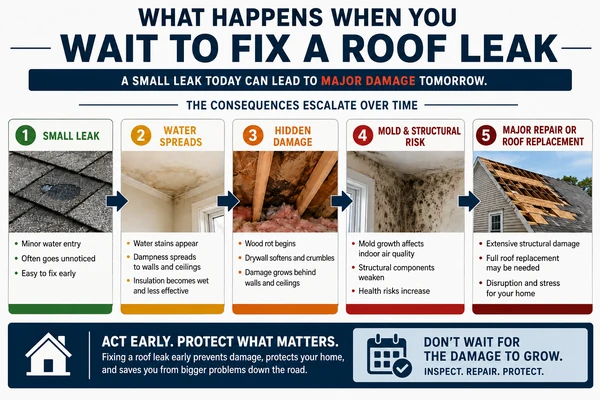
What happens if you leave a roof leak? Water soaks insulation and framing within days, mold can start within 24 to 48 hours, and through a Massachusetts winter each freeze-thaw cycle widens the entry point. A $300 repair turns into decking replacement, then stained ceilings, and often a harder insurance claim.
So How Long Can You Actually Wait?
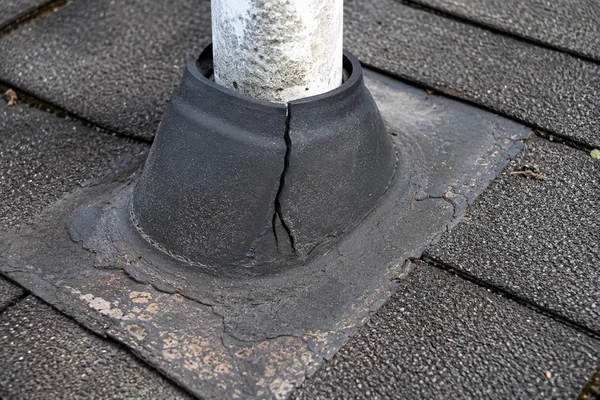
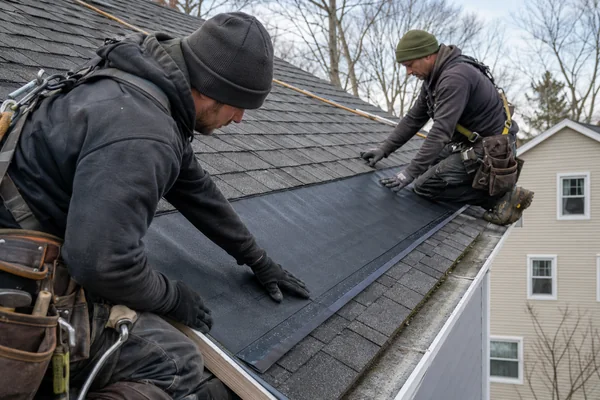
Days, not weeks, and never a whole winter. The first week after water gets in is the window where this is still a small job. A targeted roof leak repair at a bad pipe boot or a length of failed flashing runs a few hundred dollars and stops the problem before it spreads into the deck.
If the leak is slow, the drip has stopped, and there’s no rain or snow in the next few days, you’ve got a short runway to book an inspection. That’s it. If water is coming in during a storm, or if a freeze is on the way, treat it as an emergency and don’t wait for a convenient appointment.
What Happens While a Roof Leak Sits
The damage doesn’t wait for you to notice it. Here’s the real progression on a Massachusetts house.
First 24 to 48 hours
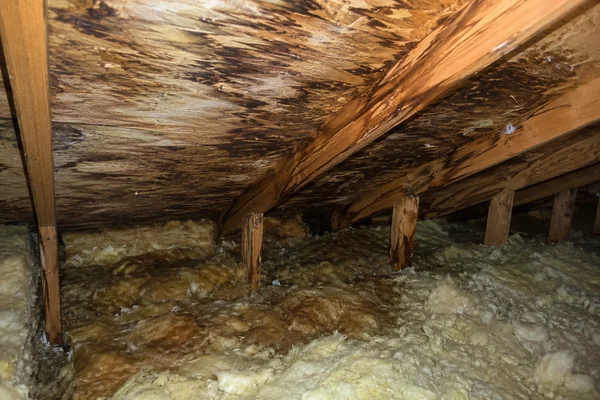
Water spreads along the underside of the deck and wicks into insulation and drywall. According to the EPA’s guidance on mold and moisture, mold can start growing on damp materials within 24 to 48 hours. You might see a faint stain or smell something musty in the attic before you ever see a drip.
The first freeze
This is the part the Sun Belt guides skip. Once water sits in the roof and the temperature drops below freezing, it turns to ice and expands. That widens the gap, loosens fasteners, and lifts shingles and flashing. The next thaw lets more water in through the bigger opening. One leak plus one cold week can do more damage in Massachusetts than a month of dry weather anywhere warm.
Two to six weeks
Wet decking and rafters start to soften. Soaked insulation stops doing its job and stays wet. Drywall that never fully dries between storms begins to sag and stain. Now the fix isn’t just the roof, it’s decking, insulation, and interior repair. This is the same slide I write about with an older roof that’s already lost its margin.
A month and beyond
Rot moves into the framing, and mold spreads through wall cavities and into insulation you can’t see. What started as one flashing repair is now a multi-trade job.
Why a Massachusetts Winter Changes the Math
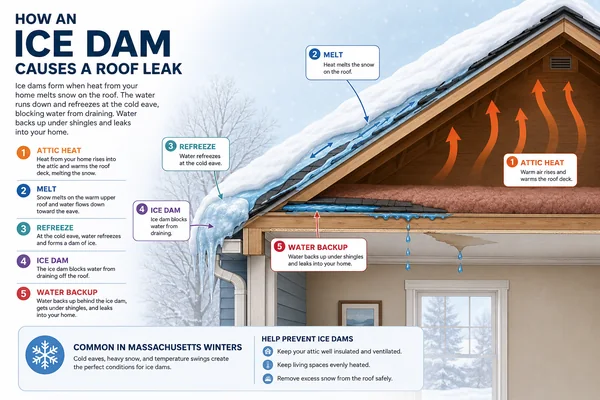
Ice dams are the reason I push homeowners here not to wait. Heat escaping into the attic melts the snow on the upper roof. That water runs down to the cold eave, refreezes into a ridge of ice, and the next round of melt pools behind it. Trapped water has nowhere to go but sideways and up, under the shingles, and into the house.
Massachusetts building code requires an ice-and-water shield along the eaves for exactly this reason, and a proper GAF WeatherWatch leak barrier is the defense that’s supposed to stop it. When a roof already has a weak spot (a reused pipe boot, tired flashing, a valley that was never done right), the ice dam finds it. Across the roofs we do, the problem usually isn’t the field of the shingles. It’s the flashing, the valleys, the pipe boots, and the edges of the roof where water’s been getting in for a while. A roof is a system. The shingle is the part you see, but the deck, underlayment, flashing, and ventilation are what keep water out, which is why I walk homeowners through the full roofing system on every inspection.
When Is a Roof Leak a True Emergency?
Some leaks can’t wait for a scheduled slot. Call for emergency roof repair if any of these are true:
- Water is dripping during a storm near light fixtures, outlets, or your electrical panel.
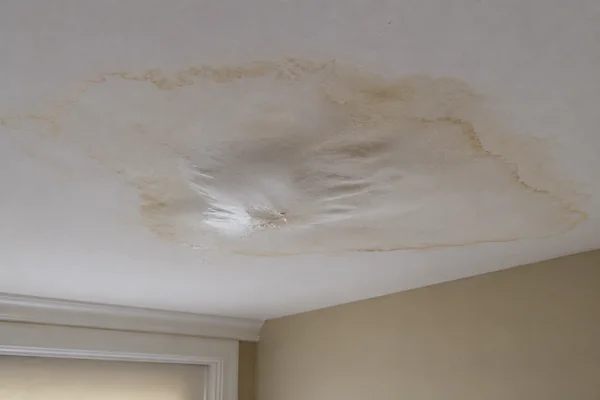
- The ceiling is sagging or bulging, which means water is pooling above the drywall and the ceiling can come down.
- The attic shows wide areas of wet insulation or dark staining across the rafters.
- The leak showed up right after wind, hail, or a heavy storm and you can see damage on the roof.
- A hard freeze is coming while the leak is active.
Any of those, and the goal is to get the roof covered and the water stopped, then sort out the full repair.
Will Insurance Still Pay if You Wait?
Maybe, and waiting is how you weaken the claim. The Massachusetts standard fire policy, set by Chapter 175, Section 99, spells out two things homeowners forget: you owe your insurer immediate written notice of a loss, and you have to take reasonable steps to protect the property from further damage. It also gives you two years from the loss to bring suit. That last part sounds like plenty of time. It isn’t the real risk.
The real risk is the neglect exclusion written into that same policy. Ice dam water damage is usually covered, but insurers treat ice dams as preventable, and the Massachusetts Division of Insurance is clear that carriers can deny damage they decide came from neglect rather than a sudden event. If you knew about a leak and let it sit, that’s the argument they’ll make. Here’s how we handle it at Powersol: we inspect for storm and wind damage, take photos, document what we see, and meet the adjuster when it helps. We won’t promise your carrier will approve anything, and you’re responsible for your deductible. Write down the day you first noticed the problem and report it right away. That paper trail is your best protection.
What Roof Leak Repair and Replacement Cost in Massachusetts
The math is simple, and it’s the whole reason I tell people not to wait.
| Situation | Typical Cost Impact |
| Small targeted repair, such as flashing, a pipe boot, or a few shingles | Usually the least expensive option |
| Moderate repair with some decking replacement | Costs increase as damage spreads below the shingles |
| Full asphalt roof replacement | A much larger investment than an early repair |
| Mold remediation after a leak has been sitting | Adds significant work and expense |
What starts as a targeted repair can eventually turn into a full roof replacement with mold remediation and interior repairs. If the roof is already close to the replacement stage, I’ll show you the photos and explain when replacement makes more sense than another repair.
What to Do Right Now if Your Roof Is Leaking
- Take photos and write down the date you first saw it.
- Put a container under the drip and move furniture and anything valuable out of the way.
- Call your homeowner’s insurance to report the possible claim.
- Get a licensed Massachusetts roofer out for a written roof inspection, not just a number scribbled on a card.
- Don’t sign anything with a door-knocking storm-chaser before you’ve checked their Massachusetts license and insurance.
We can usually get out for an inspection fast, and we give you a written scope with photos so you know what you’re actually paying for.
Can It Wait Until Spring?
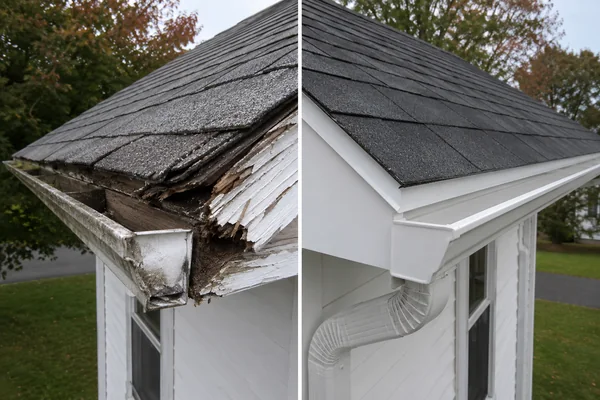
Almost never, and spring is the worst plan you can make in Massachusetts. Waiting from a January leak to an April repair means the roof sits through the entire freeze-thaw stretch, plus every ice dam the winter throws at it. What could’ve been a $400 fix in January is often decking and drywall by the time the snow’s gone. If money is the reason you’re waiting, financing is available through approved lenders, so ask about it when you get your estimate instead of letting the damage grow.
What I Tell Homeowners Who Call
I’d rather tell you a roof can wait than sell you one you don’t need. That’s the whole point of an inspection with photos. But a roof leak in Massachusetts doesn’t run on your schedule. It runs on the next freeze. So if you’re wondering how long you can wait to fix a roof leak, get eyes on it this week, get it documented for your insurer, and fix the small thing before winter turns it into the big one. Call Powersol or book a free inspection.
FAQ
How long can you wait to fix a roof leak?
Days, not weeks, and never a full winter in Massachusetts. The first week is the window where it’s still a small repair. If the leak is active or a freeze is coming, treat it as an emergency and get it covered right away.
What happens if you ignore a roof leak?
Water soaks insulation and framing within days, and mold can start within 24 to 48 hours. In winter, each freeze-thaw cycle widens the opening. A small repair grows into decking replacement, interior damage, and sometimes mold remediation.
Do roof leaks cause mold, and how fast?
Yes. The EPA notes mold can begin growing on damp materials within 24 to 48 hours. Attic insulation and drywall are ideal surfaces for it, so the sooner the roof is dried and repaired, the lower the risk.
Are ice dam roof leaks covered by homeowners insurance in Massachusetts?
Usually the water damage is covered, but removal of the ice dam itself often isn’t, and insurers treat ice dams as preventable. If the roof was already in poor shape and the leak was left to sit, a carrier can deny the claim as a maintenance issue.
How long do I have to file a roof claim in Massachusetts?
Massachusetts law sets a two-year window to bring suit on a homeowner claim, but your policy also requires prompt notice. Report the loss as soon as you find it and document the date, because a late report is easier for a carrier to fight.