Home / Services / Storm Damage Repair
Storm Damage Roof Repair In Quincy, MA
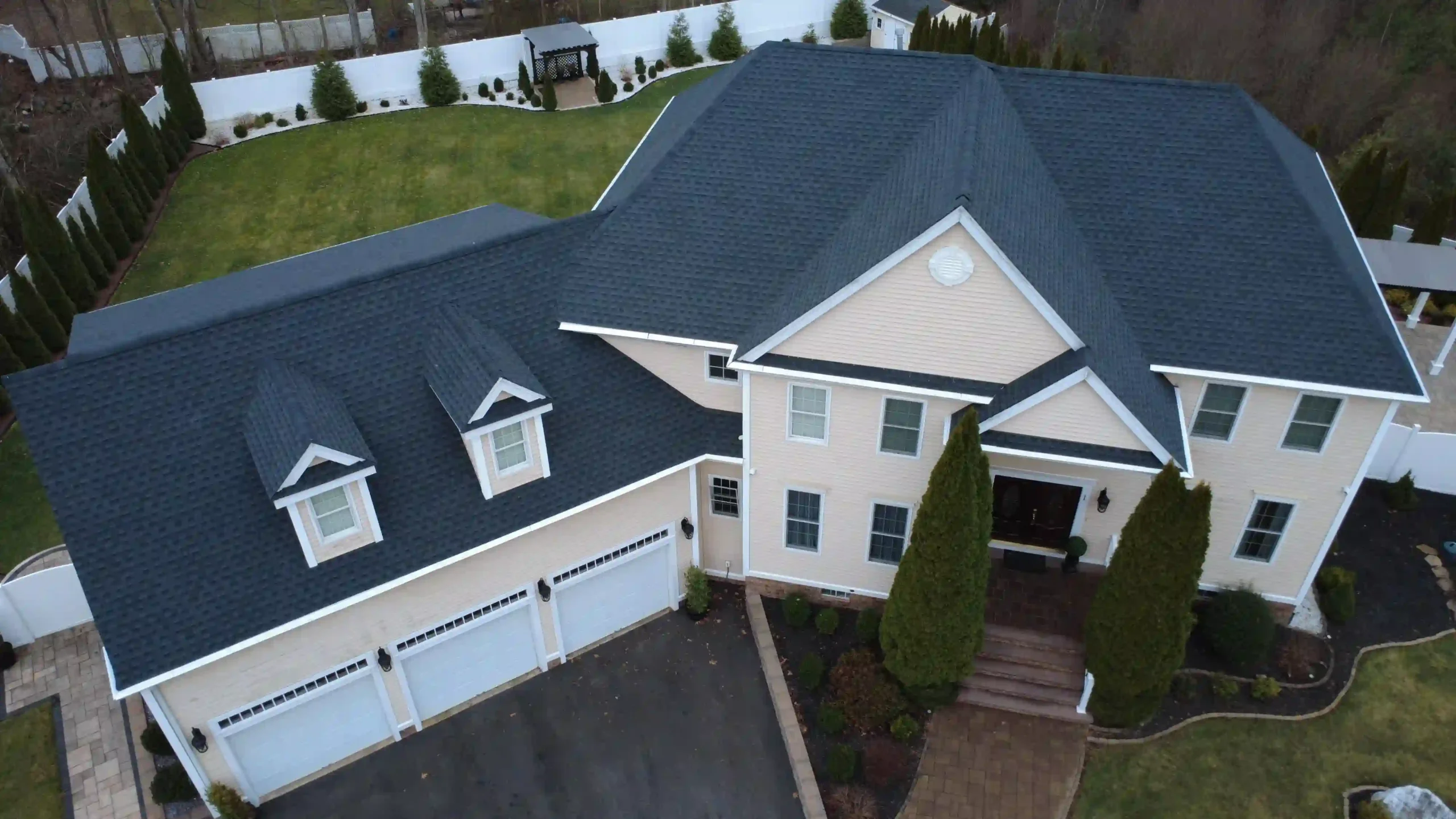
Most storm claims that get denied were real. They got denied because no one proved when the damage happened. After wind, hail, or a fallen limb hits your Quincy roof, Powersol photographs every affected area, tells you straight whether it’s storm damage or normal wear, and repairs it with a full GAF system. File a claim, and we hand your adjuster the documentation to back it. No fear-selling, and the assessment is free.
The short version
What Storm Damage Repair Actually Involves.
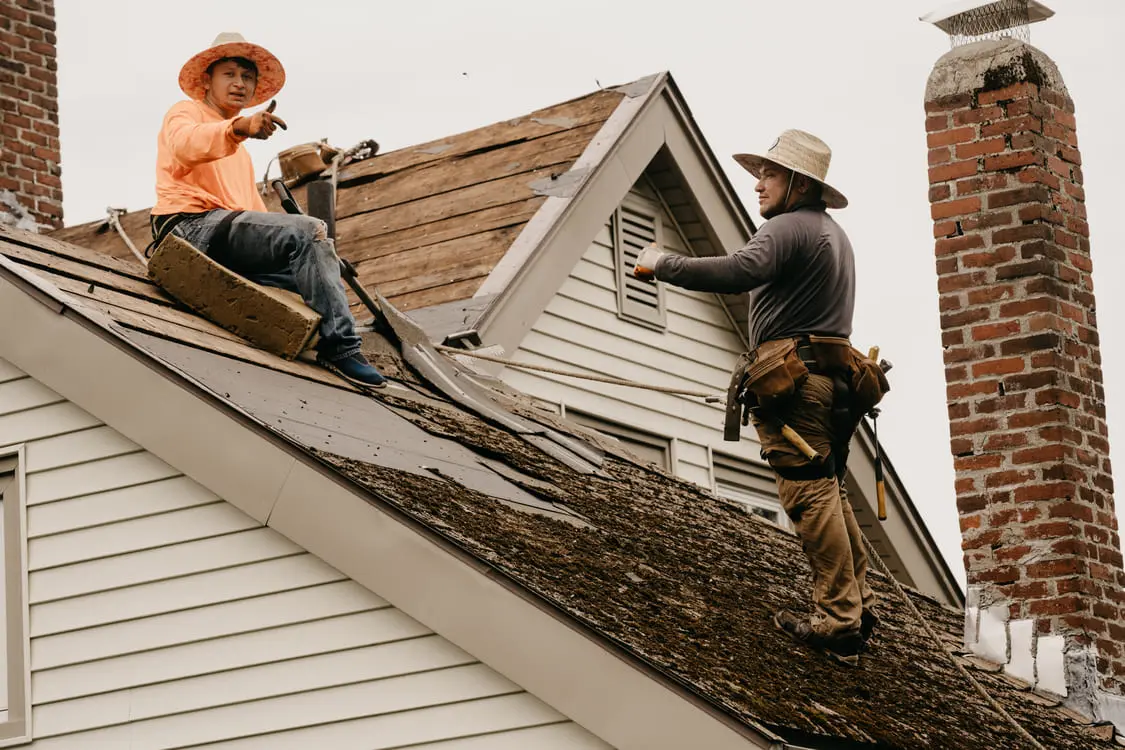
Storm damage repair imeans three things, done in order: documenting the damage, diagnosing it honestly, and permanently fixing it. The documenting stage is the one most homeowners skip. It’s also the one that decides whether an insurance claim gets paid.
In Quincy, Braintree, Weymouth, Milton, and across the South Shore, Powersol Roofing runs all three stages from one crew, based at 100 Hancock St in Quincy. The emergency line, (617) 631-5435, is answered around the clock, including during the storm itself.
One more thing worth knowing before you scroll: not every storm-damaged roof needs replacing, and not every damaged roof is worth an insurance claim. Sometimes a small repair is the whole answer; sometimes the honest verdict is that the damage falls below your deductible and a claim would cost you more than it pays. You will get that verdict in writing either way, and the estimate is free.
What New England throws at a roof
Four Storms That Cause the Most Roof Damage Here
Coastal Massachusetts roofs face a specific set of enemies. Each one damages a roof differently, and each one calls for a different repair.
Nor’easter wind
Nor’easter wind does its worst damage where you can’t see it. Sustained gusts off Quincy Bay break the adhesive seal under your shingles, so the shingle stays put but stops shedding water. Nor’easters hit New England hardest between September and April, with gusts commonly 31 to 55 mph and sometimes past hurricane force, according to NOAA.
Ice dams & snow load
Ice dams form when heat escaping into your attic melts the snow on your roof, and that meltwater refreezes at the cold eave into a ridge that forces water back under the shingles. It can start with as little as two inches of snow. The leak shows up inside days later, often far from where the water got in. U.S. Department of Energy building science points to attic air-sealing and R-30 to R-38 insulation as the real fix, not just chipping the ice.
Hail
Hail shortens a roof’s life without leaking right away. It bruises the shingle mat and knocks the protective granules loose, so the asphalt underneath ages fast. It’s the most under-claimed storm damage there is, because it looks like nothing from the driveway.
Fallen limbs & debris
A limb through the deck is the one storm emergency you can actually see. It needs a structural repair through the sheathing, underlayment, and shingles, not a patch laid over the break. If the opening is active and water is coming in, our emergency roof repair service handles the immediate mitigation.
Before we arrive
What To Do in the First Hour After the Storm.
In the first hour after a storm, stay on the ground and protect the evidence. Nothing on this list needs a ladder. A wet roof after a storm is the most dangerous surface on your property.
The paperwork half of the job
Roof Damage Documentation Your Insurance Adjuster Can Use
Most storm claims aren’t denied because the damage wasn’t real. They’re denied because no one could prove when it happened or what it affected. We treat documentation as part of the repair, not an add-on.
How the repair unfolds
From Emergency Call to a Secure, Weather-Tight Roof
One crew, one point of contact, from the first phone call to the final shingle. You will not be handed off to a subcontractor you have never met.
Local, licensed, still here next storm
Storm Calls Answered Locally Hancock Street, From Hancock Street
We have repaired storm-damaged roofs on the South Shore for over a decade. When the storm chasers pack up and leave, we are still ten minutes away.
Where we work
Storm Damage Repair Across Quincy and the South Shore.
Based at 100 Hancock St in Quincy, we reach most storm calls in under an hour. We know which streets in Houghs Neck flood, which Wollaston three-deckers catch the worst of the bay wind, and which Squantum roofs take salt spray year-round, because we drive past them every day. That local knowledge matters after a storm: coastal roofs in Merrymount and Marina Bay fail differently than sheltered ones in Randolph, and the repair should account for it.
Straight answers
Frequently Asked Questions
What should I do first if a storm damages my roof?
Stay off the roof. Move belongings away from any leak, put a container under active drips, and take photos of interior damage from the ground. Then call a licensed local roofer to tarp the opening and document the damage before weather or cleanup erases the evidence. In Quincy and the South Shore, we answer 24/7 at (617) 631-5435.
Does homeowners insurance cover storm damage roof repair?
Most Massachusetts homeowners policies cover sudden storm damage from wind, hail, and fallen limbs, but not gradual wear. The difference usually comes down to documentation: dated photos of the damage, the storm date, and a roofer’s written assessment. We provide all three with every storm call.
How fast can you get to my house after a storm?
We are based at 100 Hancock St in Quincy, so most storm calls in Quincy, Braintree, Weymouth, and Milton get a same-day visit, and active leaks are tarped the same day whenever conditions allow. The emergency line is answered 24/7, including during the storm.
How much does storm damage repair cost?
Storm damage varies too much for one-size pricing, from a section of blown-off shingles to structural damage from a fallen limb. If insurance covers the loss, your out-of-pocket cost is usually just the deductible. Every repair is quoted line by line before work begins, and the tarping invoice is usually reimbursable under your policy.
Can wind damage my roof without any visible signs from the ground?
Yes. Nor’easter winds commonly break the adhesive seal on shingles without tearing them off, and lift flashing just enough to let water in. The roof looks fine from the driveway and leaks three weeks later. That is why a post-storm inspection is worth doing even when nothing looks wrong, especially on roofs past year fifteen.
Should I file an insurance claim before or after getting a roofer’s assessment?
Get the assessment first. A documented report tells you whether the damage is worth a claim at all. Filing for damage below your deductible can raise premiums for nothing. If a claim makes sense, the dated photos and written scope make the adjuster’s job easier and the settlement more accurate.